
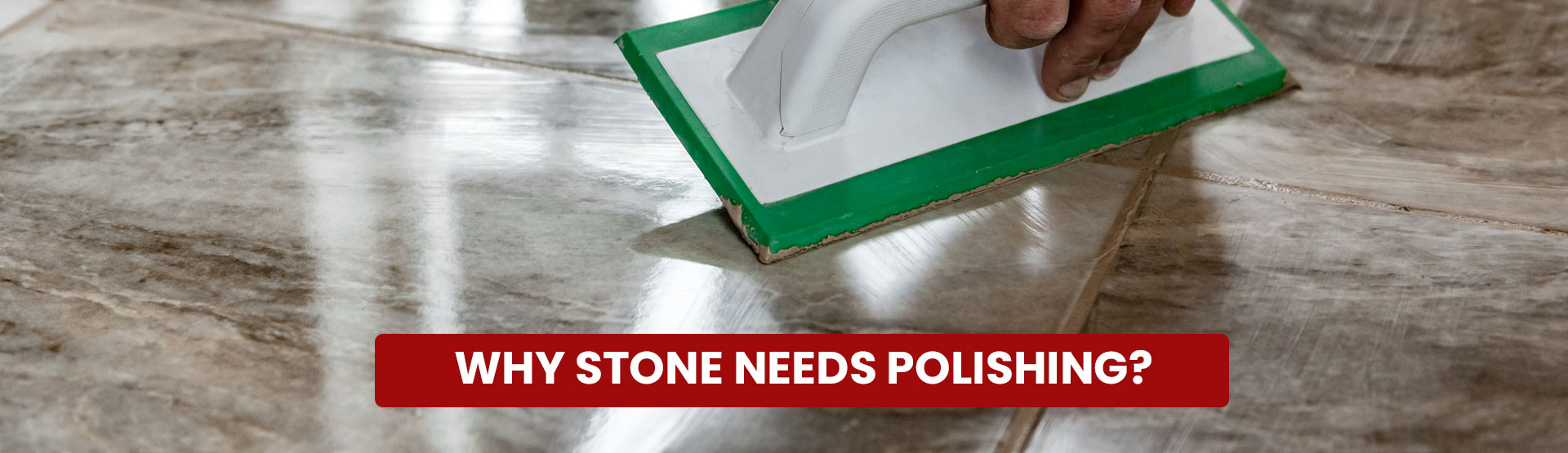
Why Stone Needs Polishing?
Even though stone is hard, it can lose its luster over time due to walking, stretching and general wear and tear. Polishing restores its natural shine, eliminates streaks, and refreshes the surface, making it more attractive and durable.
Factors Leading to the Need for Stone Polishing:
- Foot Traffic: Areas with a lot of foot traffic, such as walkways, balconies and common areas, are constantly scratched by shoes and other footwear This slowly wears down the surface of the stone, causing it to fade and disappear and it causes small scratches.
- Spills and stains: Accidental spills, either acidic fluids or staining agents, penetrate the porous surface of the stone. Over time, these lesions can become harder and more infiltrated, reducing the natural appearance of the stone.
- Wear and Tear: Daily use, moving furniture, and other factors slowly erode the stone surface. This wear can show up as scratches, chips, or fissures, reducing the original beauty of the stone.
The Role of Polishing:
- Restoring natural shine: Polishing is a process that uses abrasive materials to gently remove the surface stone. This process removes surface imperfections and reveals the stone’s natural color and luster hidden beneath accumulated dirt and damage.
- Scratch Removal: Through polishing process, minor scratches and scratch marks are softened or completely removed to perfect and flawless finish
- Surface Rejuvenation: During the creation of the top layers of the stone, the pores of the stone are opened, allowing the removal of stubborn stains and accumulated dirt This refreshes the surface, giving it a fresh appearance and new energy.
Benefits of Polishing:
- Enhanced aesthetics: Polished stone with a glossy finish that highlights its natural beauty and appearance, elevating the overall look and feel of the space.
- Longevity: Regular polishing of stones extends the life of the product. The polish works to protect the stone, protecting the stone from further erosion and preserving its integrity over time.
- Easy Maintenance: Polished stone surfaces are easy to clean and maintain. The smooth, shiny finish repels dirt and stains well, making regular cleaning a breeze.
Types of Stone Used for Flooring
Various stones like marble, granite, kota and mosaic are commonly used for flooring due to their durability, unique aesthetics, and adaptability to different design styles.
- Marble : Marble is a natural stone known for its high quality and beauty. Its colors, textures and smooth textures make it a timeless choice for flooring. While marble lasts a little longer, it needs regular maintenance to maintain its luster. It is prone to scratches and stains and requires coating and polishing from time to time. While it takes maintenance, the beauty and sophistication it brings to any space is unmatched.
- Granite : Recognized for its incredible durability and beauty, granite stands out as an easy choice for flooring. Its jagged appearance, available colors, and resistance to scratches, heat and heavy foot traffic make it ideal for high-traffic areas Granite requires less maintenance compared to marble , although it is useful from occasional coating to make it last longer and protect it from with stains that are there. Its durability coupled with its incredible texture makes granite popular in both residential and commercial settings.
- Kota Stone: Cota stone retains a rustic and durable charm through its natural earthy green and brown colours. Its durability allows it to withstand heavy traffic, making it desirable in high-degradation environments. When polished and sealed regularly, it improves its appearance and protection from stains, as well as its longevity. Less dense compared to marble and granite, Kota stone is prized for its durability and suitability for indoor and outdoor flooring
- Mosaics: Made from small stones, glass, or a variety of ceramic tiles, mosaic floor tiles offer many artistic and flooring options This allows great design flexibility, allowing for patterns spectacular or creative design. However, the durability varies depending on the ingredients. Careful maintenance and repair of the mosaic according to the specifications of its composer is necessary to preserve its visual beauty and integrity over time
How to find out if your floor needs polishing
- Loss of light: Over time, natural erosion, foot traffic and maintenance procedures can reduce the shine of your stone floors. If the floor has lost its natural shine and looks dull or dull despite regular cleaning, that could be a sign that the floor needs cleaning Polished stone floors appear light beautifully, and displays its natural colors and patterns.
- Symbols of circles or dots: Visible marks or scratches, especially in high-traffic areas, may indicate the need for polishing. While stone floors are resilient, scratches can accumulate over time from scratching, furniture moving, or abuse. Polishing can help smooth out these imperfections, restore the initial surface smoothness, and remove unsightly marks.
- Stains and Discoloration: Staining or discoloration of the stone surface may require professional treatment such as polishing. Some spreads, especially acidic materials or deeply embedded stains, can be difficult to remove during routine cleaning. Polishing not only refreshes the stone but also helps remove stubborn stains, restoring the stone’s appearance.
- Uneven Surface: If you notice any unevenness or roughness in your stone floor, it could mean that the floor needs to be leveled and polished. Irregularities may occur due to natural settlement, poor installation, or local defects. Polishing helps even out small surface irregularities, creating an even, smooth overall surface.
Regular and periodic inspections of your stone floor can help determine the need for polish. If you notice any of these signs, it’s best to talk to a professional mason. They can assess the condition of the floor and recommend appropriate treatments to restore its natural beauty and prolong its life.
About Us
We are a dedicated group of professionals in the stone polishing industry for over half a decade. Our services include crystallization, honing, grinding, buffing, sanding on various floors like marble, granite, kota, mosaic, PVC, and wood, along with injection/extraction services.
Our Services
- Marble Polishing Services with Diamond Pad
- Marble Diamond Polishing Services
- Home Marble Polishing Service
- Italian Marble Polishing Service
- Katni Marble Diamond Polishing Service
- Marble Crystallization Service
- Marble Floor Polishing Services
- Granite Floor Polishing Services
Why Us?
- 24×7 Client Centric Service Offered
- Cost Efficiency
- Ethical, Safe and Reliable Services
- Goodwill in the Market
- Timeliness Maintained
Related FAQ:
Q: Will stone polishing make the floor slippery?
A: Properly polished stone floors should not become excessively slippery. The process aims to enhance shine while maintaining a safe level of traction. Professionals take precautions to ensure the floor remains safe for regular use.
Q: Can DIY methods achieve the same results as professional stone polishing?
A: While some DIY methods exist, professional stone polishing services utilize specialized equipment and expertise to achieve optimal results. DIY methods might provide superficial improvements but often fall short in comparison to professional treatments.
Q: What factors affect the cost of stone polishing services?
A: Several factors influence the cost, including the type and size of the stone surface, its current condition, any repairs needed, and the chosen polishing method. Consulting with professionals for an assessment is crucial to determine an accurate cost estimate.
Q: Is it necessary to seal stone floors after polishing?
A: Sealing after polishing is recommended for most types of stone. Sealing provides an additional layer of protection against stains and wear, prolonging the effects of the polishing treatment and ensuring long-term durability.
Q: Can stone polishing be done on all types of stone surfaces?
A: Different types of stone require varying techniques and treatments for polishing. Professionals assess the type and condition of the stone to determine the most suitable polishing method, ensuring optimal results without causing damage.
Q: How long does the stone polishing process typically take?
A: The duration depends on the size of the area, the condition of the floor, and the chosen polishing method. Generally, it can range from several hours to a day or more for larger areas. Professionals provide estimates based on the specifics of the job.
Floor cleaning Service in Faridabad | Marble floor polishing in Faridabad | Marble cleaning in DLF Gurgaon | Marble Polishing in DLF Gurgaon | Diamond Marble Floor Polishing Service Gurgaon | Marble Floor Polishing in Delhi | Marble Grinding in Delhi | | Marble Floor Polishing in Noida | Marble Grinding in Noida | Marble Polishing in DLF Gurgaon Sector 23 | Office Cleaning Services | House Cleaning Services | Floor polishing Service | Floor Care and Maintenance Service
